Torres del Paine can be visited in different seasons, but the best time depends on the experience you want. Summer offers longer days, more services, and the widest range of activities, but it is also the busiest season, so hotels and key experiences should be booked well in advance. Winter can be beautiful, quiet, and dramatic, but some hotels, trails, tours, and services may close or operate with limited availability. For that reason, the season should always be matched carefully to your route, activity level, and travel style.
TORRES DEL PAINE
TORRES DEL PAINE
About this destination
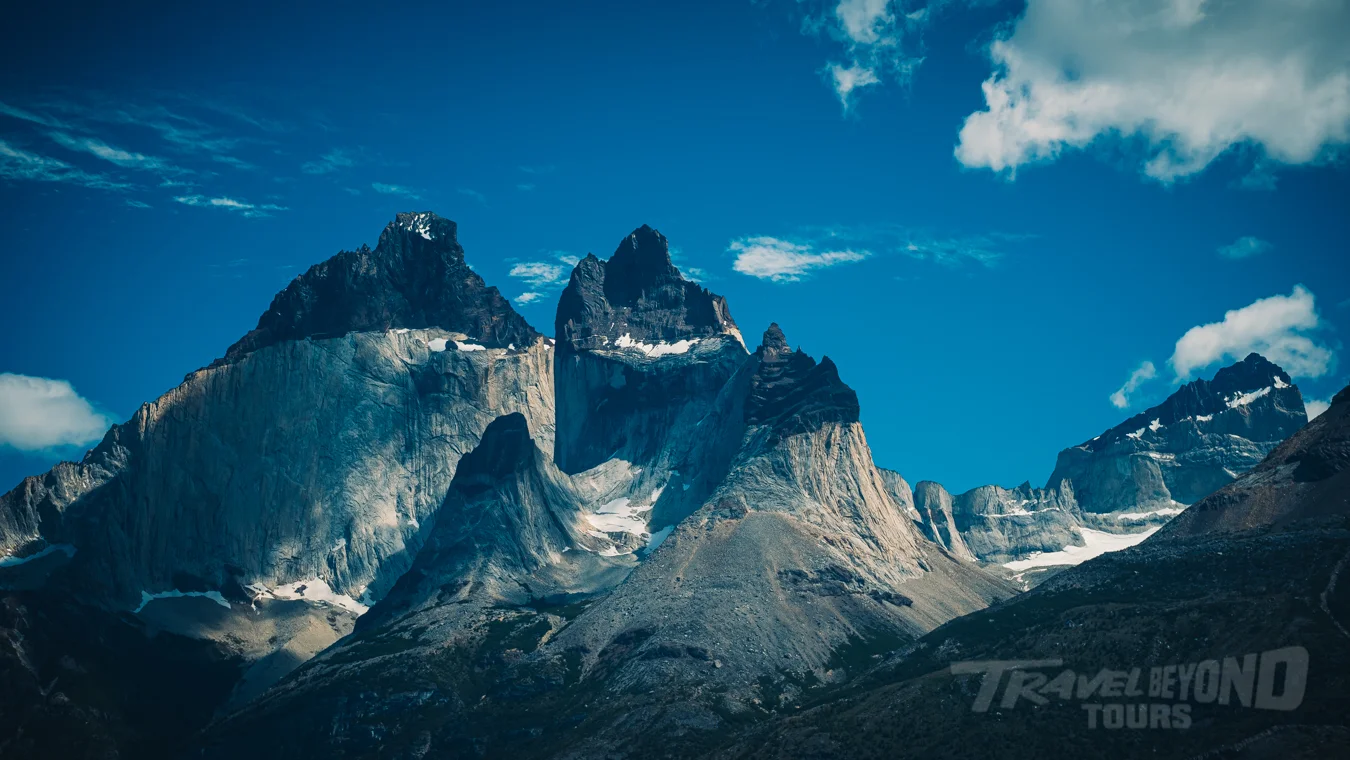
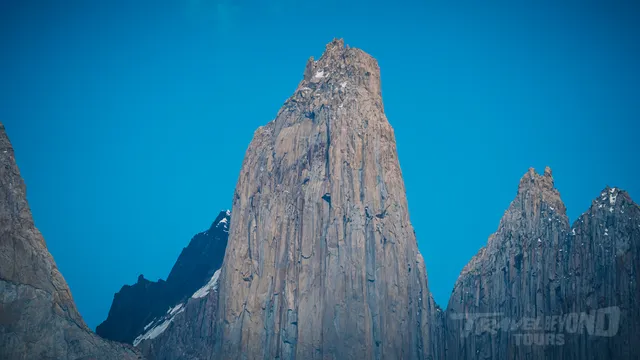
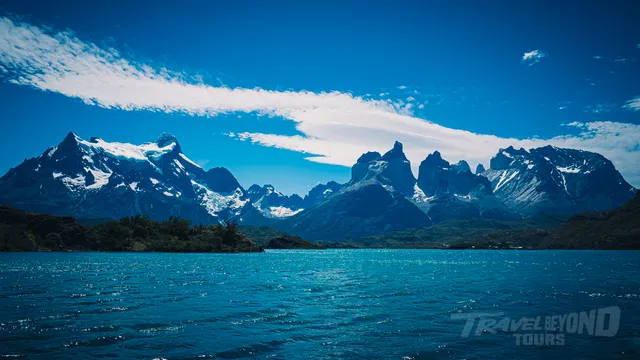
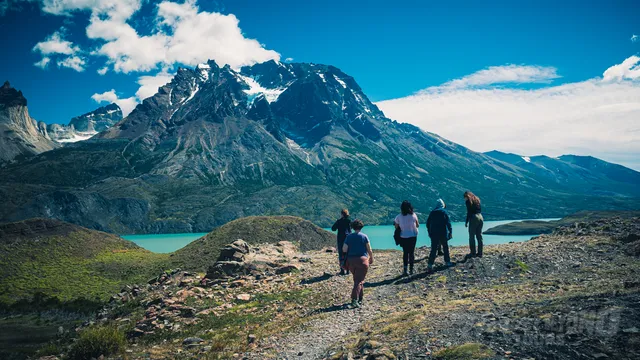
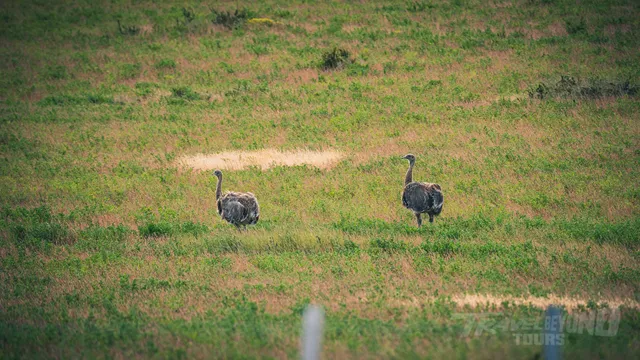
Torres del Paine National Park is one of South America’s most iconic natural reserves and a defining highlight of Chilean Patagonia. Located in the far south of Chile, the park protects a vast landscape shaped by glaciers, wind, and time, where granite peaks rise above turquoise lakes, valleys, ice fields, forests, and open Patagonian steppe. The park’s most recognizable feature is the Torres del Paine, three vertical granite towers that have become a global symbol of Patagonia. Around them, hanging glaciers, wide valleys, and dramatic ridgelines create a setting of remarkable scale and visual contrast. Well-maintained trails allow travelers to experience the park in different ways, from short scenic walks and viewpoints to full-day hikes or multi-day trekking routes such as the W and O Circuits. Wildlife is an essential part of the Torres del Paine experience. Guanacos roam freely across the plains, Andean condors soar above cliffs and ridgelines, and foxes, rheas, and native birdlife may be seen along the way. The changing vegetation, from lenga and ñire forests to open steppe and alpine terrain, adds another layer to the sense of immersion. Torres del Paine is not only a destination for hiking. It is a place of observation, silence, and perspective, where weather shifts quickly and light changes dramatically throughout the day. Whether explored through active trekking, scenic drives, or lodge-based journeys, the park offers a powerful sense of scale, remoteness, and connection with nature. As part of a broader Patagonia itinerary, Torres del Paine represents the region at its most expressive: raw, structured, and unforgettable. It is a cornerstone destination for travelers seeking nature in its most compelling form, with the right planning, pace, and logistics to experience it comfortably and deeply.
Gallery
No tours available for this destination yet.
Explore all tours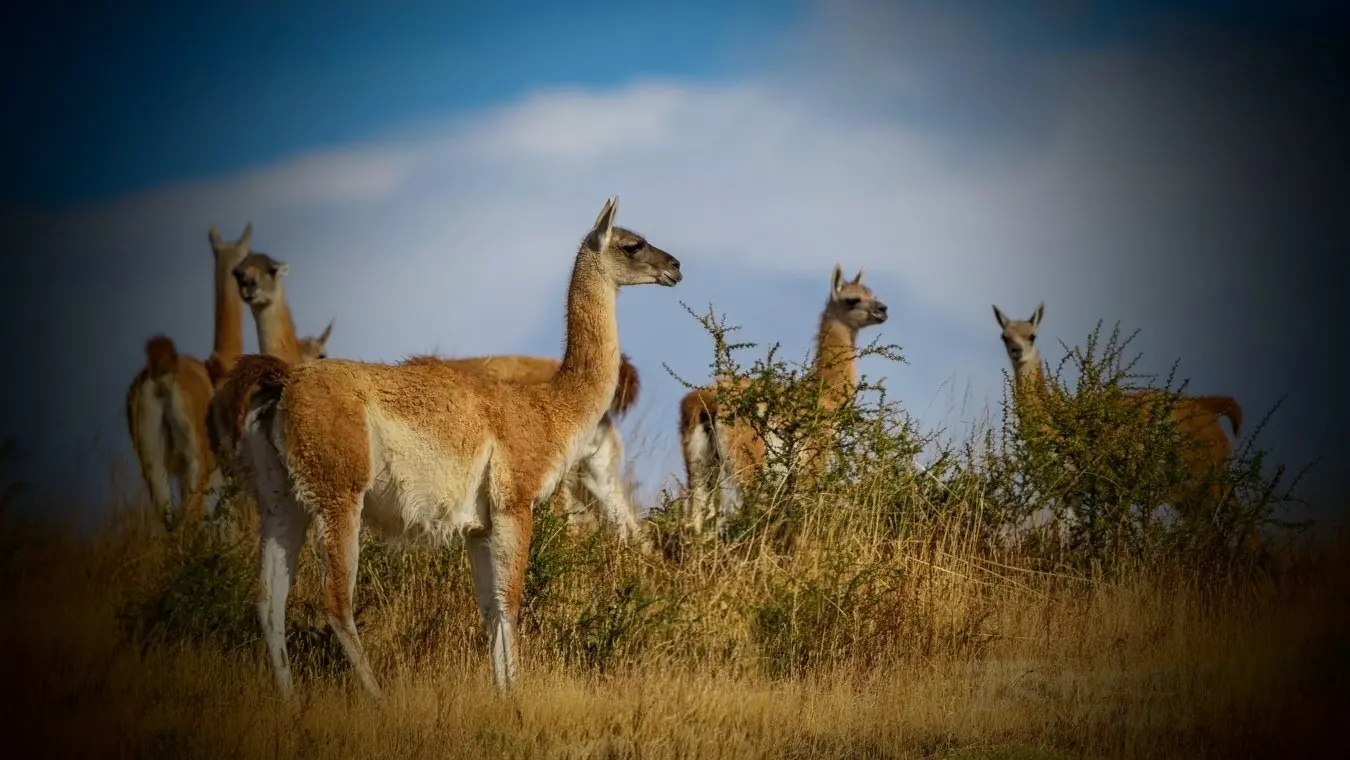
FAQ
Torres del Paine FAQS
Planning a journey to Torres del Paine? These FAQs answer the key questions travelers ask about when to go, how long to stay, what to pack, activity levels, remote logistics, and how a private itinerary can be tailored around your travel style.
We usually recommend at least three to five days in Torres del Paine, depending on your interests, activity level, and lodge location. A longer stay allows for a better pace, weather flexibility, scenic drives, short walks, hikes, wildlife viewing, and time to enjoy the park without feeling rushed.
Most travelers reach Torres del Paine by flying to Puerto Natales or Punta Arenas, then continuing by road to the park or their lodge. The best route depends on flight availability, season, hotel location, and the overall itinerary, so transfers and timing should be planned carefully.
Layers are essential for Torres del Paine. Weather can shift quickly between sun, wind, rain, and cold, so lightweight technical clothing, waterproof and windproof layers, comfortable walking shoes, sun protection, sunglasses, and a small backpack are highly recommended. For longer hikes or more active days, it can also be useful to carry snacks, extra water, and personal items such as electrolyte tablets, depending on your needs and guide recommendations.
No. Torres del Paine is famous for hiking, but you do not need to do long treks to enjoy the park. Private itineraries can include scenic drives, viewpoints, wildlife watching, boat rides, short walks, photography stops, and panoramic experiences at a comfortable pace.
Hikes in Torres del Paine range from short and gentle walks to long, demanding trails. Some routes require several hours of walking, uneven terrain, wind exposure, elevation gain, and strong stamina. Even active travelers should choose hikes carefully based on real fitness, experience, weather, and expectations.
Yes. Torres del Paine can be adapted for travelers who want a relaxed scenic experience, gentle walks, photography, wildlife, or more active trekking. A private itinerary helps match the route, pace, guide, and daily activities to your comfort, ability, and travel style.
Torres del Paine can be visited year-round, but availability changes by season. During summer and peak travel months, hotels and key experiences should be booked well in advance. In winter or shoulder seasons, some lodges, tours, trails, and services may close or operate with limited availability.
Credit cards are accepted in many hotels and established services, but Torres del Paine is a remote area where connectivity can be limited. It is wise to carry some cash for tips, smaller purchases, local services, or unexpected situations during your journey.
Travel Beyond Tours designs private Torres del Paine itineraries with trusted local insight, seamless logistics, and a tailor-made approach. We help choose the right season, lodge, route, guide, activity level, packing needs, and pace so your journey feels comfortable, personal, and thoughtfully planned.