We design private journeys across Chile and selected destinations in South America, including Santiago, Valparaíso, wine valleys, Atacama, Patagonia, Easter Island, Buenos Aires, Mendoza, Iguazú Falls and Rio de Janeiro.
Destinations across
Chile and South America
Discover iconic places across Chile, Argentina, and Brazil—from Santiago and the Maipo Valley to Patagonia, Buenos Aires, Iguazú Falls, and Rio de Janeiro. Each destination becomes a private, tailor-made journey designed around your pace, passions, and preferred style of travel.

SANTIAGO
Santiago is Chile’s sophisticated heart, set in a wide valley beneath the snow-capped Andes. Modern and historic at once, it blends elegant avenues, creative neighborhoods, lively markets, and a thriving food and wine scene that make it a rewarding destination on its own. In a single day, you can move from panoramic viewpoints to grand civic landmarks, contemporary design, and local flavors, always with the rhythm of a city that feels both cosmopolitan and distinctly Chilean. What makes Santiago especially compelling is how effortlessly it connects you to the country’s greatest highlights. World-class wine valleys, the Pacific coast, and UNESCO-listed port cities are all within easy reach for day trips, while the mountains offer scenic drives, hiking, and seasonal snow experiences. That versatility, paired with a mild, four-season appeal, makes Santiago an ideal base for exploring Chile in depth and the perfect starting point for a journey curated around your interests, pace, and comfort.

VALPARAISO
Valparaíso is Chile’s most evocative port city, where sea breeze, hillside neighborhoods, and bold creativity come together in a way that feels instantly memorable. Built across steep slopes facing the Pacific, the city reveals itself through colorful houses, panoramic viewpoints, winding stairways, and the simple pleasure of getting lost in its textures and stories. Its UNESCO-listed historic quarter reflects an era when Valparaíso was a global maritime hub, and that heritage still shapes the city’s character today. What makes Valparaíso especially rewarding to visit is the contrast it offers. You can move from waterfront panoramas to artistic streets and classic funiculars in a single morning, then pause for coffee, local flavors, and conversations that bring the city to life beyond the postcard. It is dynamic, imperfect in the most authentic way, and full of visual surprises. For travelers, Valparaíso delivers a true sense of place and an experience that pairs beautifully with Santiago, Chile’s central coast, or the nearby wine valleys.
WINE COUNTRY
Wine Country in Chile and Argentina brings together some of South America’s most distinctive landscapes, flavors, and winemaking traditions. From the valleys near Santiago to the vineyards of Mendoza, this is a journey shaped by mountain views, coastal influence, historic estates, boutique wineries, and a slower rhythm designed for tasting, learning, and enjoying each stop with intention. In Chile, Maipo Valley offers a classic introduction to the country’s signature reds, with historic properties and refined food pairings close to Santiago. Casablanca Valley brings a cooler coastal character, expressive whites, organic gardens, and contemporary wineries shaped by Pacific breezes. Farther south, Colchagua Valley stands out for bold reds, scenic vineyard landscapes, boutique stays, and chef-led dining rooted in regional ingredients. Across the Andes, Mendoza adds another dimension to the experience, with world-class Malbec, dramatic mountain scenery, private vineyard visits, and elevated gastronomy. Together, these wine regions create a sensory and cultural journey that pairs beautifully with Santiago, the Pacific coast, or a broader tailor-made itinerary through Chile and Argentina.
PACIFIC COAST
Chile’s Pacific Coast unfolds as a diverse and character-rich region, where the ocean shapes landscapes, culture, and daily life. From historic port cities to quiet seaside towns, this stretch of coastline offers open beaches, rocky cliffs, marine reserves, scenic roads, and constantly changing views of the horizon. It is especially rewarding for travelers who appreciate nature, cultural depth, fresh seafood, and a slower, more observant rhythm of travel. Beyond Valparaíso’s famous hills and port heritage, the coast reveals hidden beaches, coves, and local paths where the ocean feels raw and close. Isla Negra offers a powerful connection between landscape and literature, with the sea as a constant presence, while Quintay preserves its maritime identity through traditional fishing activity and seafood rooted in local practice. Farther along the coast, Zapallar and Cachagua stand out for coastal trails, refined seaside architecture, and elevated viewpoints over the Pacific. To the south, Santo Domingo offers wide beaches, long shorelines, and a quieter residential atmosphere, ideal for coastal walks and open views of the ocean. Chile’s Pacific Coast integrates naturally into private journeys through central Chile, complementing Santiago, Valparaíso, and the wine valleys. Its appeal lies in contrast: changing landscapes, authentic coastal life, and the sense of space that defines this edge of the continent.
ANDES MOUNTAINS
The Andes Mountains offer one of Chile’s most dramatic natural escapes, where city streets give way to mountain air, river valleys, canyon walls, and wide-open scenery. Just beyond Santiago, places like Cajón del Maipo reveal a wilder and more cinematic side of central Chile, with changing light, scenic roads, and a sense of quiet that feels far from the rhythm of the capital. Here, the journey itself becomes part of the experience, with each stop revealing the scale and raw beauty of the Andes. What makes the Andes especially compelling is their flexibility. The day can be shaped around your interests and comfort, from gentle viewpoint stops and short, easy walks to more active moments in nature, always at an unhurried pace. This is an ideal destination for travelers who want fresh air, memorable landscapes, and a deeper connection to Chile beyond the urban highlights, all within a comfortable day trip from Santiago. Whether you visit in summer under clear skies or in cooler months when the mountains feel even more dramatic, the Andes consistently deliver a powerful and authentic sense of place.
TORRES DEL PAINE
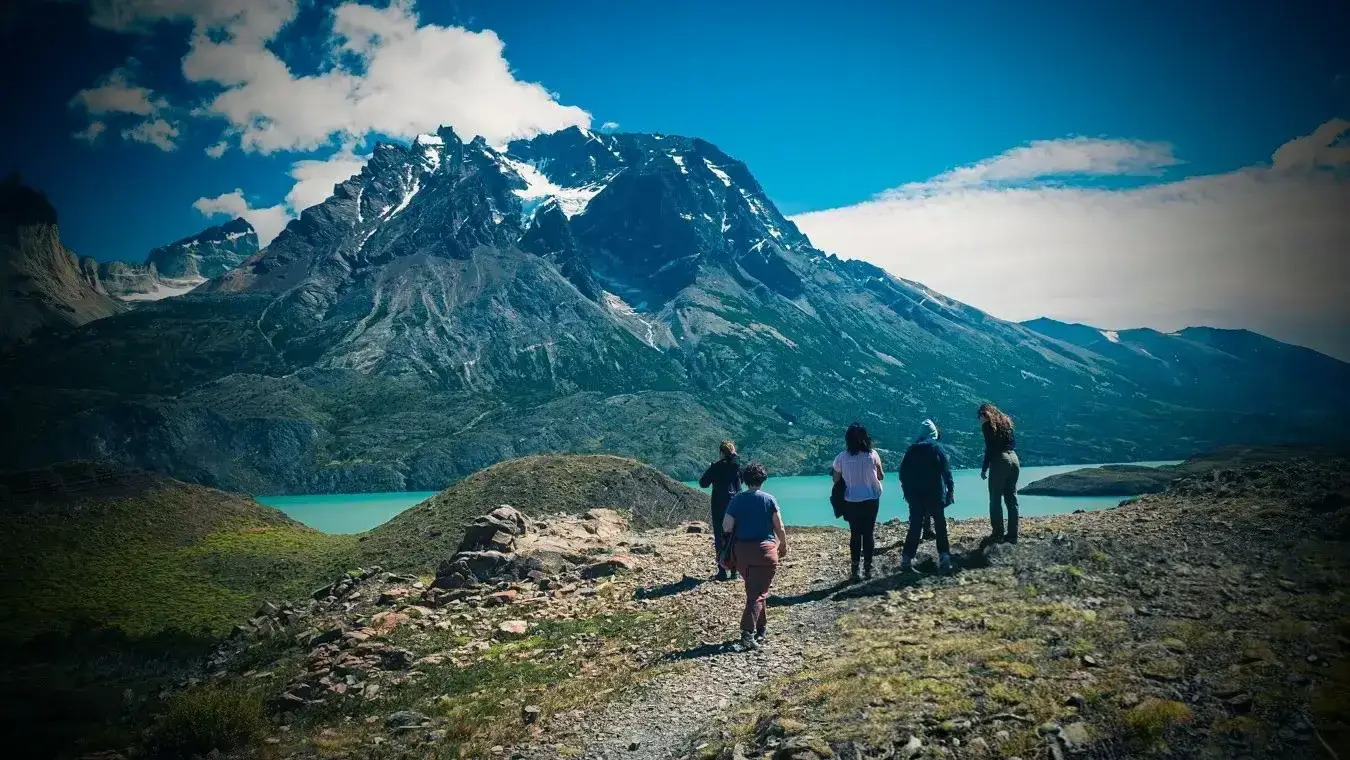
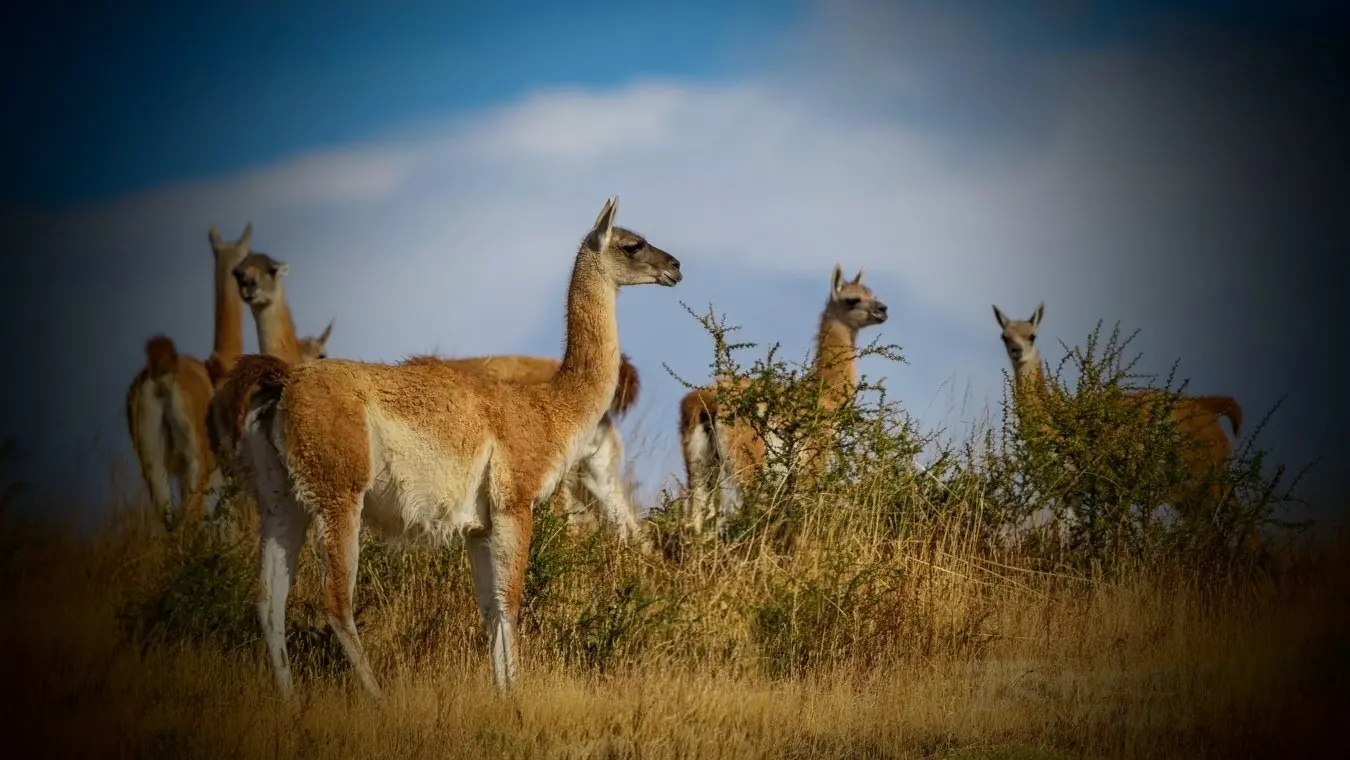
Torres del Paine National Park is one of South America’s most iconic natural reserves and a defining highlight of Chilean Patagonia. Located in the far south of Chile, the park protects a vast landscape shaped by glaciers, wind, and time, where granite peaks rise above turquoise lakes, valleys, ice fields, forests, and open Patagonian steppe. The park’s most recognizable feature is the Torres del Paine, three vertical granite towers that have become a global symbol of Patagonia. Around them, hanging glaciers, wide valleys, and dramatic ridgelines create a setting of remarkable scale and visual contrast. Well-maintained trails allow travelers to experience the park in different ways, from short scenic walks and viewpoints to full-day hikes or multi-day trekking routes such as the W and O Circuits. Wildlife is an essential part of the Torres del Paine experience. Guanacos roam freely across the plains, Andean condors soar above cliffs and ridgelines, and foxes, rheas, and native birdlife may be seen along the way. The changing vegetation, from lenga and ñire forests to open steppe and alpine terrain, adds another layer to the sense of immersion. Torres del Paine is not only a destination for hiking. It is a place of observation, silence, and perspective, where weather shifts quickly and light changes dramatically throughout the day. Whether explored through active trekking, scenic drives, or lodge-based journeys, the park offers a powerful sense of scale, remoteness, and connection with nature. As part of a broader Patagonia itinerary, Torres del Paine represents the region at its most expressive: raw, structured, and unforgettable. It is a cornerstone destination for travelers seeking nature in its most compelling form, with the right planning, pace, and logistics to experience it comfortably and deeply.
PATAGONIA
Patagonia is South America at its wildest and most spectacular: an immense region shared by Chile and Argentina, where glaciers, granite peaks, windswept steppe, turquoise lakes, and subantarctic forests create one of the world’s most dramatic natural landscapes. In Chile, Torres del Paine National Park stands as one of Patagonia’s great icons, with rock towers rising above lakes, hanging glaciers, open valleys, and trails that range from scenic walks to full trekking circuits. Across the border in Argentina, El Calafate is the gateway to Los Glaciares National Park and the Perito Moreno Glacier, famous for its towering ice walls and powerful calving events. Farther south, Ushuaia, at the edge of Tierra del Fuego, offers Beagle Channel navigation, coastal hikes, and access to unique subpolar scenery. Wildlife is part of the region’s constant appeal. Guanacos, Andean condors, foxes, and abundant birdlife may be seen across the steppe and mountain landscapes, while select coastal areas offer opportunities to spot penguins, sea lions, and seasonal whales. Patagonia’s vegetation shifts with latitude and elevation, from lenga and ñire forests to hardy steppe and alpine plant life, making each route and season feel distinct. For travelers, Patagonia is not a single destination but a journey of scale, silence, and contrast. Whether explored through lodge-based stays, scenic drives, private guiding, boat navigation, or active trekking, it rewards thoughtful planning and a pace that allows the landscape to unfold fully.
BUENOS AIRES
Buenos Aires is one of South America’s most culturally rich capitals, shaped by European immigration, political history, and a strong tradition of intellectual and artistic life. Its urban landscape unfolds through grand avenues, Belle Époque architecture, leafy plazas, and neighborhoods with distinct identities, each adding to the city’s layered character. The city’s cultural expression is woven into everyday life. Tango, literature, café culture, design, and gastronomy are not staged attractions, but living traditions that give Buenos Aires its unmistakable rhythm. From historic districts such as San Telmo and Monserrat to the contemporary energy of Palermo and Recoleta, the city invites exploration through observation, conversation, and time spent at street level. As a destination, Buenos Aires offers depth rather than spectacle. It rewards travelers who appreciate history, urban culture, architecture, food, and nuance, serving as a natural anchor for journeys through Argentina, Patagonia, Mendoza, Iguazú Falls, and the Southern Cone.
MENDOZA
Located on the eastern slopes of the Andes, Mendoza is Argentina’s leading wine region and a destination where landscape, agriculture, and gastronomy are deeply intertwined. Internationally recognized for its high-altitude vineyards, especially in areas such as Luján de Cuyo and the Uco Valley, Mendoza offers wines shaped by elevation, sunlight, cool nights, and irrigation from Andean meltwater. Beyond wine, Mendoza has a strong connection to nature and outdoor life. Scenic routes lead toward Aconcagua, the highest peak in the Americas, while the city itself is defined by wide avenues, tree-lined streets, and green spaces such as San Martín Park. The culinary scene reflects the region’s identity, pairing seasonal ingredients with Argentine grilling traditions, refined wine pairings, and contemporary cuisine. Mendoza works beautifully as both a standalone destination and a natural extension to Chilean wine regions or Andean crossings. For travelers, it offers a balanced experience of wine culture, mountain scenery, private vineyard visits, and refined regional living at an unhurried pace.
RIO DE JANEIRO
Rio de Janeiro is defined by one of the most dramatic natural settings of any major city in the world. Granite peaks rise directly from the Atlantic, dense Atlantic Forest surrounds urban neighborhoods, and long beaches trace the curve of the coastline. This extraordinary geography shapes both the city’s visual identity and its unmistakable way of life. Landmarks such as Sugarloaf Mountain and Corcovado offer sweeping views over the city, sea, and mountains, but Rio’s character is equally found at street level. Coastal promenades, hillside districts, historic neighborhoods, music, architecture, and daily rituals reflect centuries of cultural exchange and local identity. The city balances energy and contemplation, offering moments of movement alongside quieter views over forest, ocean, and sky. As part of a broader South American itinerary, Rio offers contrast, scale, and atmosphere: a meeting point between nature and urban culture that leaves a lasting impression through its landscape, rhythm, and diversity. Whether explored through iconic viewpoints, beachside neighborhoods, cultural routes, or private guided experiences, Rio brings a vibrant and unforgettable dimension to a journey across the region.
ATACAMA
The Atacama Desert is one of the most extreme and visually striking environments on Earth. Located in northern Chile, it is considered the driest non-polar desert in the world, shaped by altitude, volcanic activity, and an exceptionally clear atmosphere. Its landscapes are defined by salt flats, high-altitude lagoons, colorful mineral formations, and vast open horizons that create a powerful sense of scale and silence. Exploration unfolds across distinct ecosystems. The Altiplano reveals lagoons inhabited by flamingos, framed by snow-capped volcanoes and stark desert plains. Geothermal fields such as El Tatio offer insight into the region’s volcanic origins, while deep valleys and sculpted rock formations speak to millions of years of geological change. At night, Atacama becomes one of the world’s premier locations for astronomy, with some of the clearest skies on the planet and internationally renowned observatories. Despite its harsh conditions, the Atacama is rich in life and culture. Ancestral routes, pre-Columbian heritage, and small desert communities provide context to a land shaped by adaptation and resilience. For travelers, Atacama offers knowledge, perspective, and immersion in a landscape that feels both ancient and profoundly alive, best experienced with thoughtful planning, expert guidance, and time to absorb its extraordinary contrasts.
IGUAZÚ FALLS
Iguazú Falls is one of the most powerful natural landmarks in South America, located on the border between Argentina and Brazil and protected as national parks on both sides. With more than 270 individual waterfalls, the destination offers two complementary experiences: Argentina delivers close, immersive access to the falls, while Brazil provides the wide-angle perspective that reveals their full scale. On the Argentine side, near Puerto Iguazú, a well-designed system of walkways and forest trails brings travelers into the heart of the waterfall complex. Viewpoints unfold gradually, culminating at Garganta del Diablo, or Devil’s Throat, the dramatic centerpiece where the river narrows and drops into a vast horseshoe-shaped chasm, sending mist into the air and creating the constant roar that defines Iguazú’s intensity. The Brazilian side, near Foz do Iguaçu, is known for its panoramic paths and elevated viewpoints, ideal for understanding the geography of the entire waterfall system at once. From this angle, the falls appear as a vast curtain of water framed by subtropical rainforest, an exceptional contrast of movement, vegetation, and sound. Both parks protect sections of the Atlantic Forest, one of South America’s richest ecosystems, home to tropical birds, butterflies, coatis, and dense native vegetation. Experiencing Iguazú from both Argentina and Brazil creates a balanced and deeply memorable itinerary: proximity and perspective, detail and scale, all within one of the continent’s defining natural wonders.
Not finding what you're looking for?
We can design a custom journey to any hidden corner of Chile. Let our experts create your original chronicle of discovery.
Customize your experience
Destination Planning
Choosing the Right Destination
Practical guidance for choosing where to travel in Chile, Patagonia and South America.
The right destination depends on your dates, travel style, interests, activity level and preferred pace. We help compare options so the route feels coherent rather than overloaded.
Chile can be visited year-round, but the best season depends on the region. Patagonia is strongest in spring and summer, while Santiago, wine valleys and the Atacama Desert can work well across much of the year.
Yes. We can design selected cross-border journeys that connect Chile with Argentina or Brazil, depending on timing, logistics, flights and the style of experience you want.
Many destinations can be adapted for families. We consider driving distances, activity level, meal stops, hotel comfort and the right rhythm for children or multi-generational groups.
Yes. Many routes can be designed with a softer pace, scenic drives, private transport, shorter walks and carefully selected stops that prioritise comfort and enjoyment.
Yes. Part of our role is helping travellers choose what not to include. A good private journey should feel beautifully paced, not like a checklist of disconnected places.
Yes. Each destination page is a starting point for inspiration. We can then shape the final journey around your interests, timing and preferred travel style.