Patagonia can be visited in different seasons, and the best time depends on the region and experience you want. Summer offers longer days and more services, spring brings fresh landscapes, autumn is known for beautiful colors, and winter can be ideal for snow, solitude, or dramatic scenery. Because Patagonia is a vast region across Chile and Argentina, seasonal availability varies by destination. Some areas may have fewer services, limited lodging options, or reduced mobility in winter, so the season should always be matched carefully to your route and travel style.
PATAGONIA
PATAGONIA
About this destination
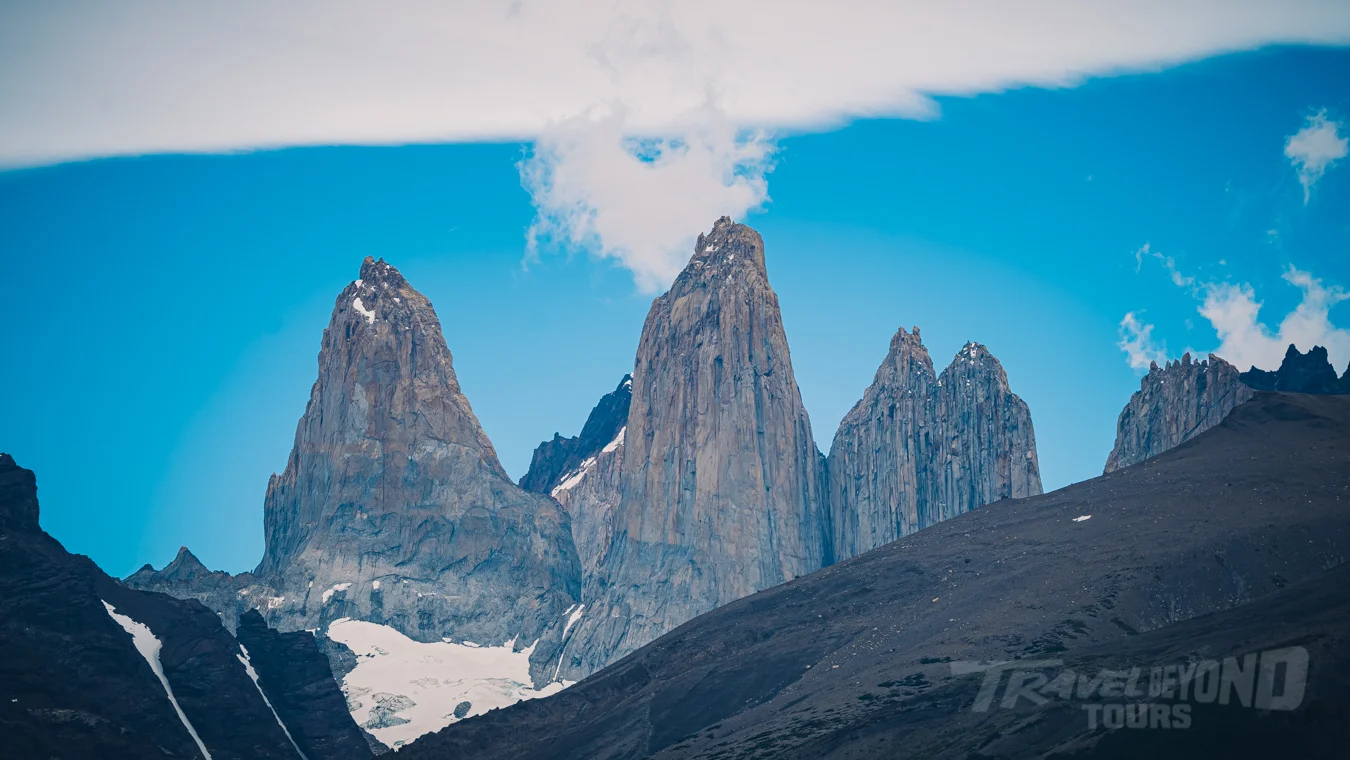
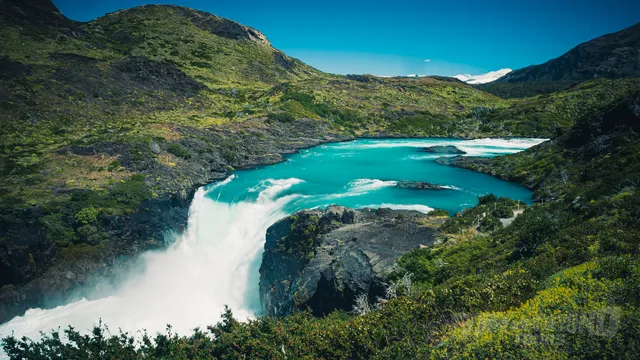
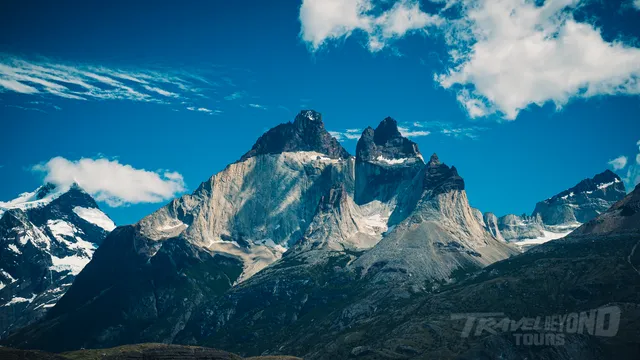
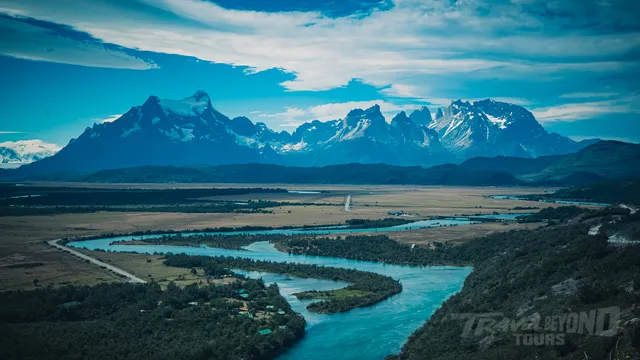
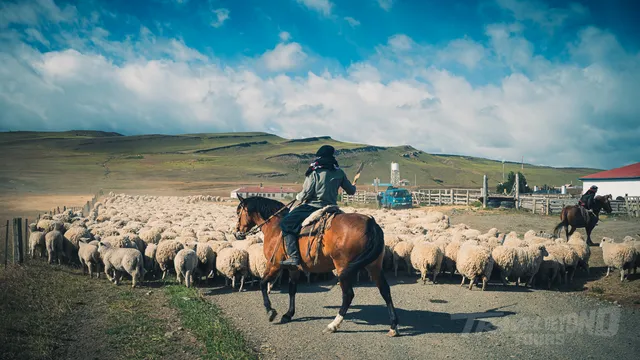
Patagonia is South America at its wildest and most spectacular: an immense region shared by Chile and Argentina, where glaciers, granite peaks, windswept steppe, turquoise lakes, and subantarctic forests create one of the world’s most dramatic natural landscapes. In Chile, Torres del Paine National Park stands as one of Patagonia’s great icons, with rock towers rising above lakes, hanging glaciers, open valleys, and trails that range from scenic walks to full trekking circuits. Across the border in Argentina, El Calafate is the gateway to Los Glaciares National Park and the Perito Moreno Glacier, famous for its towering ice walls and powerful calving events. Farther south, Ushuaia, at the edge of Tierra del Fuego, offers Beagle Channel navigation, coastal hikes, and access to unique subpolar scenery. Wildlife is part of the region’s constant appeal. Guanacos, Andean condors, foxes, and abundant birdlife may be seen across the steppe and mountain landscapes, while select coastal areas offer opportunities to spot penguins, sea lions, and seasonal whales. Patagonia’s vegetation shifts with latitude and elevation, from lenga and ñire forests to hardy steppe and alpine plant life, making each route and season feel distinct. For travelers, Patagonia is not a single destination but a journey of scale, silence, and contrast. Whether explored through lodge-based stays, scenic drives, private guiding, boat navigation, or active trekking, it rewards thoughtful planning and a pace that allows the landscape to unfold fully.
Gallery
No tours available for this destination yet.
Explore all tours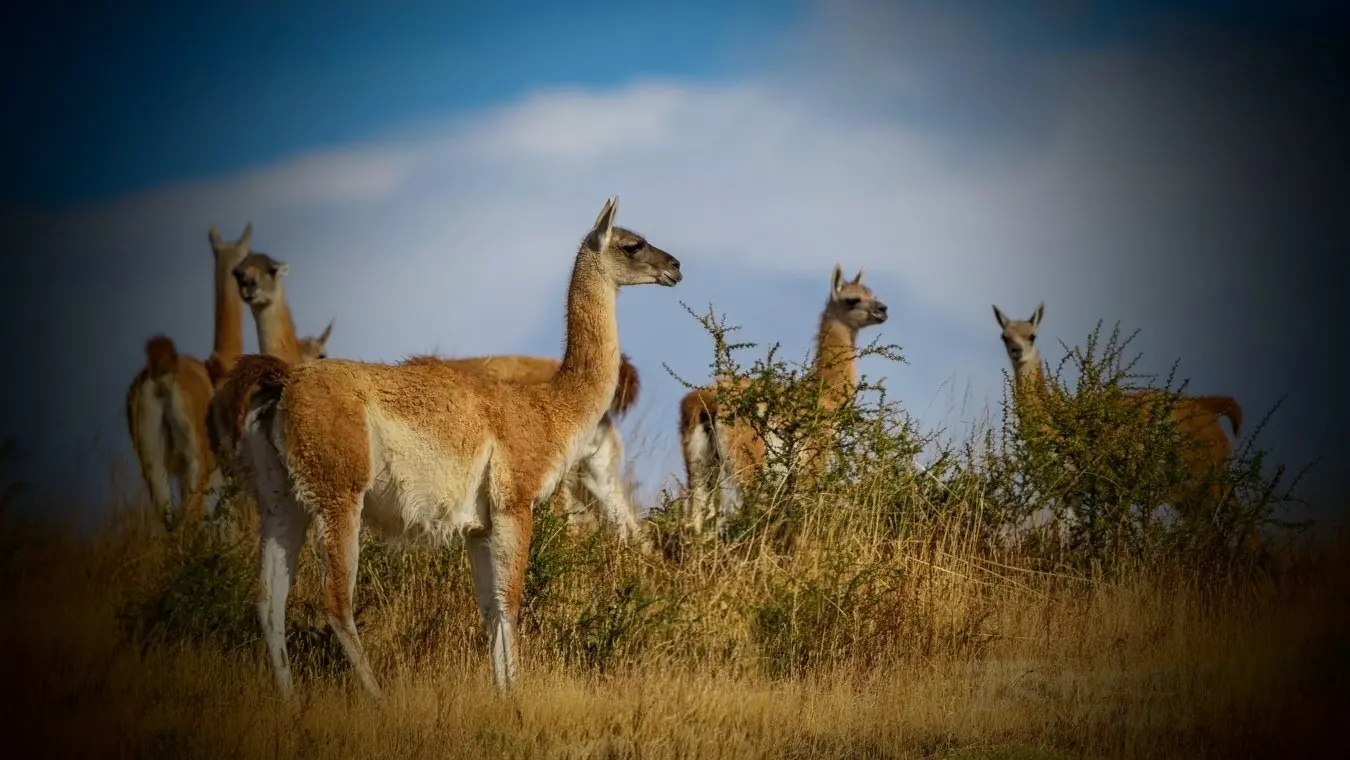
FAQ
Patagonia FAQs
Planning a journey to Patagonia? These FAQs answer the key questions travelers ask about weather, packing, activity levels, travel logistics, money, and how a private Patagonia itinerary can be designed around your style.
We usually recommend at least five to seven days for Patagonia, depending on the areas you want to visit. A longer itinerary allows for a better pace, weather flexibility, scenic transfers, and time to enjoy the region without feeling rushed.
Patagonian weather is famous for changing quickly. Wind, sun, rain, and cooler temperatures can happen in the same day, even during warmer months. A flexible itinerary and the right clothing make the experience much more comfortable.
The most important thing is to pack layers. Patagonia can shift from strong sun and warmth to wind, rain, and cold temperatures in a short time. Lightweight, quick-drying, technical clothing, a windproof layer, waterproof protection, comfortable shoes, sunglasses, and sun protection are highly recommended.
Yes. Patagonia can be enjoyed through scenic drives, viewpoints, boat rides, wildlife watching, short walks, or more demanding hikes. Some areas and seasons may have reduced mobility due to weather, terrain, or limited services, so a private itinerary helps match each activity to your comfort, ability, and expectations.
Popular Patagonia highlights include Torres del Paine, Puerto Natales, El Calafate, Perito Moreno Glacier, El Chaltén, glaciers, lakes, fjords, and remote landscapes. The right route depends on your time, interests, season, and whether you want to focus on Chilean Patagonia, Argentine Patagonia, or both.
Patagonia is usually reached through regional flights and then connected by private transfers, scenic drives, boats, or border crossings depending on the route. Many travelers fly from Santiago to southern Chile, or from Buenos Aires to Argentine Patagonia, before continuing by road between lodges, parks, glaciers, and small towns. Because distances are long and connections vary by season, Patagonia works best with a carefully planned route. Travel Beyond Tours can help coordinate the full flow of the journey, including timing, transfers, local logistics, and flights when needed.
Both Chilean and Argentine Patagonia offer extraordinary landscapes. Chilean Patagonia is known for Torres del Paine, fjords, glaciers, and remote scenery, while Argentine Patagonia offers El Calafate, Perito Moreno Glacier, El Chaltén, and dramatic hiking routes. The right choice depends on your time, interests, and travel rhythm.
Credit cards are accepted in many hotels, restaurants, and established services, but Patagonia includes remote areas where connectivity can be limited and ATMs may not always be available. It is wise to carry some cash for smaller purchases, tips, local services, or unexpected situations.
Travel Beyond Tours designs private Patagonia itineraries with trusted local insight, seamless logistics, and a tailor-made approach. We help choose the right region, season, lodges, guides, routes, activity level, and pace so your Patagonia journey feels comfortable, personal, and thoughtfully planned.